
BPC-157 has attracted attention in discussions about peptide research, sports medicine, and tissue repair. It is often mentioned in connection with tendons, muscles, joints, and digestive health. But what is BPC-157, and how much do scientists actually know about it?
BPC-157 is a synthetic peptide made up of 15 amino acids. Researchers have studied it mainly in laboratory experiments and animal models to understand its possible effects on the body’s tissues and natural repair processes. Although some early findings have generated interest, there is not enough reliable human evidence to establish that BPC-157 safely treats injuries or other medical conditions.
This guide explains what BPC-157 is, how it may work, what research has found, its potential applications, and the important safety questions readers should understand before accepting claims about it.
What Is BPC-157?
BPC-157 stands for Body Protection Compound-157. It is a laboratory-made peptide associated with research into a peptide sequence derived from proteins found in gastric juice.
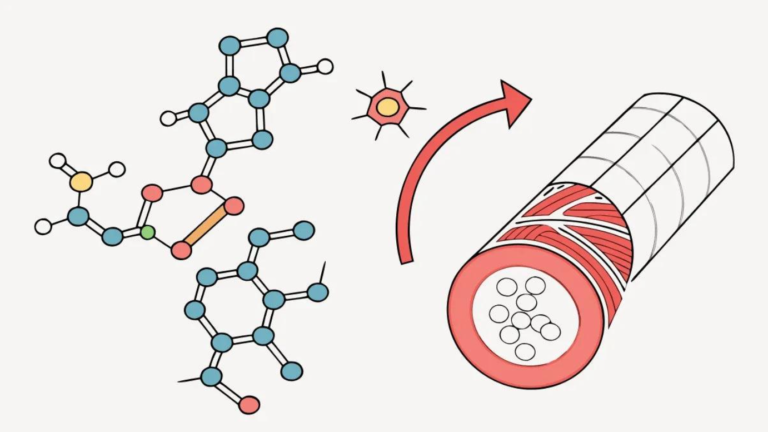
To understand this, remember that peptides are short chains of amino acids, the building blocks of proteins. Different arrangements of amino acids create peptides with different structures and biological activities.
Scientists became interested in BPC-157 because experimental studies suggested that it might influence several processes involved in protecting tissues and responding to injury.
Unlike established medicines with well-defined approved uses, BPC-157 remains investigational. Its popularity on websites and in fitness discussions should not be confused with proof that it works as a treatment in humans.
A 2025 systematic review published in HSS Journal examined the available research on BPC-157 in orthopaedic and sports medicine. The review included 36 studies, of which 35 were preclinical studies and only one was a clinical study. The authors highlighted the promising findings in experimental models but emphasized the lack of strong human evidence.
You can read the review through PubMed Central.
How Does BPC-157 Work?
The exact way BPC-157 works is not fully understood. Researchers have proposed several explanations based on laboratory experiments and animal studies, but these mechanisms have not been confirmed as effective treatment pathways in humans.
Here are the main areas scientists have investigated.
1. Blood vessel formation
Blood vessels carry oxygen and nutrients to tissues. When tissue is damaged, the development and repair of small blood vessels can be part of the body’s normal healing response.
Some animal studies suggest that BPC-157 may affect pathways involved in forming blood vessels. Researchers are investigating whether these effects could help explain the findings seen in certain experimental injury models.
However, evidence of an effect in animals does not prove that the peptide improves healing in people.
2. Cell activity and tissue repair
The body relies on different types of cells to maintain and repair tissues. These cells help produce structural materials, respond to damage, and restore normal function.
Preclinical BPC-157 research has examined its possible influence on cell activity and processes involved in tissue repair. These findings have prompted interest in its potential applications, particularly in studies involving muscles, tendons, and ligaments.
The important limitation is that researchers still need well-designed human trials to establish whether these effects lead to meaningful health benefits.
3. Inflammation and cell signalling
Inflammation is part of the body’s response to injury and infection. It can help with recovery, although prolonged or excessive inflammation can also contribute to health problems.
Some experimental studies suggest that BPC-157 may influence signalling pathways involved in inflammation and cell survival.
In simple terms, researchers are investigating whether the peptide changes the messages cells send to one another when tissues are under stress or damaged.
These proposed effects are part of the BPC-157 mechanism of action being studied. They should not be interpreted as proof that the compound reduces pain, treats inflammation, or accelerates recovery in humans.
What Does BPC-157 Research Show?
Most BPC-157 research has been conducted in animals or laboratory settings. These studies can help scientists understand biological processes and decide whether a compound deserves further investigation.
They cannot, by themselves, establish that a treatment is effective or safe for people.
Research involving tendons, ligaments, and muscles
Some animal studies have reported changes in tissue structure and function following BPC-157 exposure in experimental models of tendon, ligament, and muscle injury.
These results are one reason the peptide is discussed in sports medicine and recovery research.
However, an animal injury model is not the same as a human sports injury. Differences in biology, study conditions, and treatment methods can affect whether the results translate to people.
Research involving digestive health
BPC-157 has also been investigated in experimental models involving the digestive tract. This interest is connected to its background in research on gastric-derived peptides and their possible protective effects on tissues.
The findings are preliminary. They do not establish BPC-157 as a proven treatment for ulcers, inflammatory bowel disease, or other digestive conditions.
What have human studies found?
Human evidence remains extremely limited. The published literature includes small, preliminary studies, but these are not sufficient to establish the compound’s effectiveness or long-term safety.
A systematic review published in 2026 identified three small human studies involving a total of 30 participants across different applications. The studies were methodologically limited, and the certainty of the evidence was rated very low.
The review concluded that BPC-157 should not be used clinically outside appropriately regulated, ethically approved clinical trials.
Read the review abstract on PubMed.
The key takeaway is that BPC-157 research has produced questions worth investigating, but the available evidence does not justify treating the compound as an established medical therapy.
What Are the Potential Applications of BPC-157?
Researchers have explored several possible applications for BPC-157. These are areas of scientific investigation, not proven medical benefits.
1. Tissue healing research
BPC-157 tissue healing research has focused on experimental models involving tendons, ligaments, muscles, and other tissues.
Scientists are investigating whether the peptide influences the processes that help damaged tissues recover. The results may guide future research, but they do not establish that BPC-157 can heal human injuries faster or more completely.
2. Joint and musculoskeletal research
The compound has attracted interest in studies involving joint discomfort and musculoskeletal injuries.
A small retrospective human study has been reported in this area, but research of this type cannot reliably establish that the peptide caused an improvement. Larger controlled trials would be needed to determine whether any benefit exists and how it compares with established treatments.
3. Digestive system research
Scientists have studied BPC-157 in experimental models of digestive tract injury and other gastrointestinal conditions.
These findings remain preliminary. People should not interpret them as evidence that BPC-157 can replace established care for digestive disorders.
4. Understanding biological repair processes
BPC-157 may also help researchers investigate how cells respond to damage and how different signalling pathways influence tissue maintenance.
Even if a compound proves useful as a research tool, that does not automatically mean it will become a safe or effective medicine.
For readers exploring peptide science more broadly, the Hilma Elite peptide category provides context on the types of compounds listed on the site. Product listings should be distinguished from independent evidence of medical effectiveness or regulatory approval.
BPC-157 Side Effects and Safety
Safety is one of the biggest unanswered questions surrounding BPC-157.
The absence of well-documented side effects in a small study does not prove that a substance is safe. Small studies may not detect uncommon reactions, delayed effects, or problems that appear only after repeated exposure.
The US Food and Drug Administration has specifically identified concerns about compounded BPC-157, including possible immune reactions and difficulties related to peptide impurities and the characterization of the active ingredient. The agency states that available safety information is limited for the proposed routes of administration.
See the FDA’s information on bulk drug substances that may present significant safety risks.
Important concerns include:
- Unknown long-term effects: There is insufficient human evidence to establish the consequences of prolonged exposure.
- Product quality: Products sold through unregulated channels may have problems involving identity, purity, strength, or contamination.
- Immune reactions: Peptides can trigger unwanted immune responses, and the risk depends on factors including the substance and formulation.
- Uncertain interactions: There is not enough evidence to reliably characterize how BPC-157 may interact with medicines or health conditions.
- Unproven claims: Marketing statements may go beyond what the published research actually demonstrates.
BPC-157 should not be considered safe for human use simply because it has been investigated in animals or is available to buy online.
It is not an established substitute for medical evaluation, rehabilitation, or other evidence-based treatment. Anyone with an injury or ongoing symptoms should seek advice from a qualified healthcare professional.
Is BPC-157 Approved for Human Use?
BPC-157 is not an FDA-approved medicine for treating injuries or other medical conditions in the United States. It also lacks the comprehensive human clinical evidence needed to establish its safety and effectiveness for the uses commonly promoted online.
Regulatory requirements differ between countries, so readers should check the rules that apply where they live.
A product being sold online, labelled as high purity, or marketed for research does not mean it has been authorized as a medicine.
Likewise, findings from a published scientific study do not automatically establish regulatory approval.
For further background, consult the FDA’s drug compounding safety information and the peer-reviewed reviews linked throughout this article.
Frequently Asked Questions About BPC-157
What is BPC-157 used for?
BPC-157 is primarily discussed in connection with experimental research into tissue repair, musculoskeletal injuries, and digestive health. These are research areas, not established indications for an approved BPC-157 medicine.
How does BPC-157 work?
Scientists have proposed that BPC-157 may influence cell signalling, blood vessel formation, and other processes involved in tissue responses to injury. Its exact mechanism is not fully understood, and the relevance of these findings to human treatment remains uncertain.
Does BPC-157 help with tendon or muscle injuries?
Some animal studies have reported promising findings in experimental tendon and muscle injury models. However, there is not enough reliable human evidence to conclude that BPC-157 improves tendon or muscle healing in people.
What are the known side effects of BPC-157?
Its side-effect profile has not been adequately established in humans. Limited safety data mean that both short-term and long-term risks remain uncertain. Product quality and potential immune reactions are additional concerns.
Is BPC-157 a steroid?
No. BPC-157 is a peptide, meaning it is made from a short chain of amino acids. It is chemically different from anabolic steroids.
Is BPC-157 the same as a prescription medicine?
No. BPC-157 is an investigational compound, not an established FDA-approved treatment for the conditions commonly associated with it online. It should not be treated as interchangeable with authorized prescription medicines.
Conclusion: What We Know About BPC-157
BPC-157 is a synthetic peptide that has attracted scientific interest because of findings in animal and laboratory research involving tissue repair and other biological processes.
However, the evidence is still at an early stage. Although some experimental results appear promising, human studies are few and limited, and the compound’s safety and effectiveness have not been adequately established.
Anyone researching BPC-157 should distinguish between potential applications being investigated and benefits demonstrated in well-designed human clinical trials. Marketing claims, online testimonials, and product availability are not substitutes for reliable evidence.
The most responsible approach is to follow the emerging science, consult authoritative regulatory information, and seek professional medical guidance for injuries or health concerns rather than relying on an experimental compound.
Medical disclaimer: This article is for educational purposes only. It does not provide medical advice or recommend BPC-157 for human use. BPC-157 is investigational, and its safety and effectiveness for the uses discussed have not been established by adequate human clinical trials.